
Just like no two relationships are exactly the same, no two people experience loss the same way. And that’s not only normal—it’s expected. Here are some reasons why…

Valentine’s Day: It’s Complicated
If you’re someone who won’t be in a celebratory mood here are some things you can do that might help manage the Valentine’s blues.

4 Ways to Remember Dad on Father’s Day
If Father’s Day is a reminder of loss rather than a celebration, here are four things you could plan for June 16th.

Why We Get Stuck In Grief
Many people find themselves stuck in grief because they are never able to let go of what they believed was “supposed to be.” This is the challenge behind acceptance.

Looking Back at Loss: The “Good” Side of Grief
Maybe we never get the answer for why they had to die, but we can create meaning out of our loss.

Setbacks in Grief
Making returns to intense feelings of grief when you thought you were feeling fine can leave you weary and wondering when it’s going to stop.

Missing the Old Me
You don’t just lose them, a part of you goes with them. And the deeper you loved someone, the larger the missing piece inside of you will be.
Secondary Losses
Secondary losses can be numerous and can make it feel like grief is piling up on you. This is the place where people, if they’re going to get stuck, usually get stuck
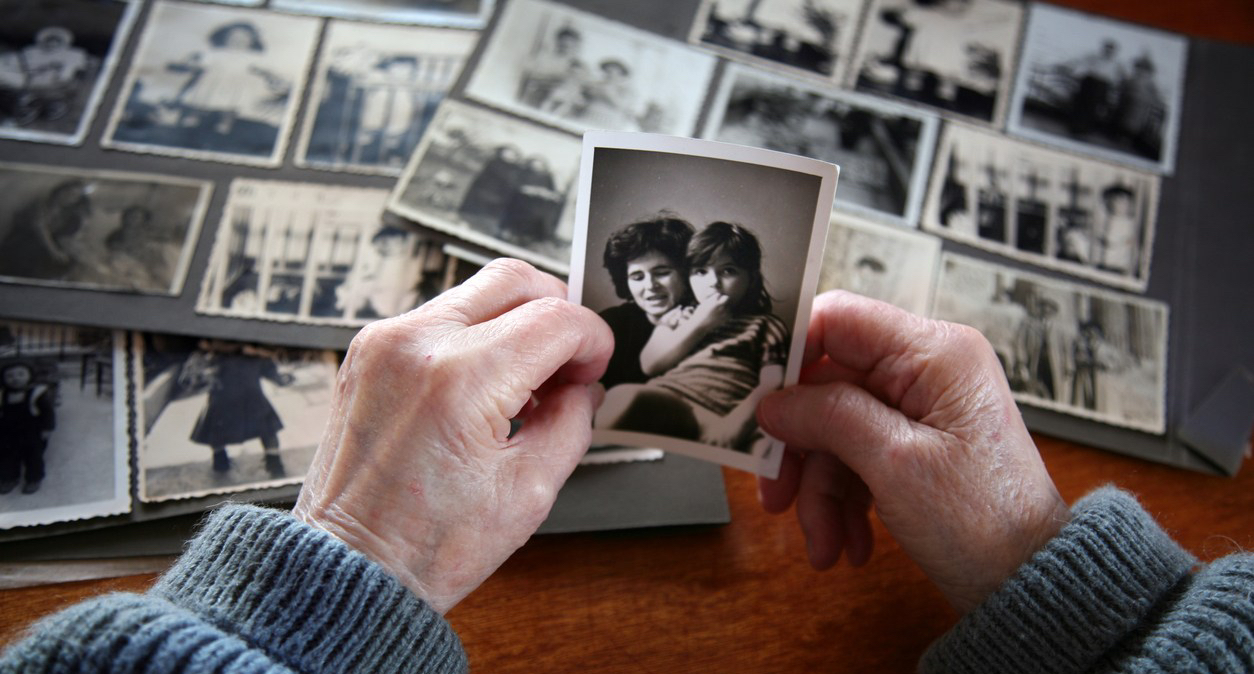
Memorial Art Projects
If you can’t find the words to write in a journal, try art. 17 memorial art projects you could try today.
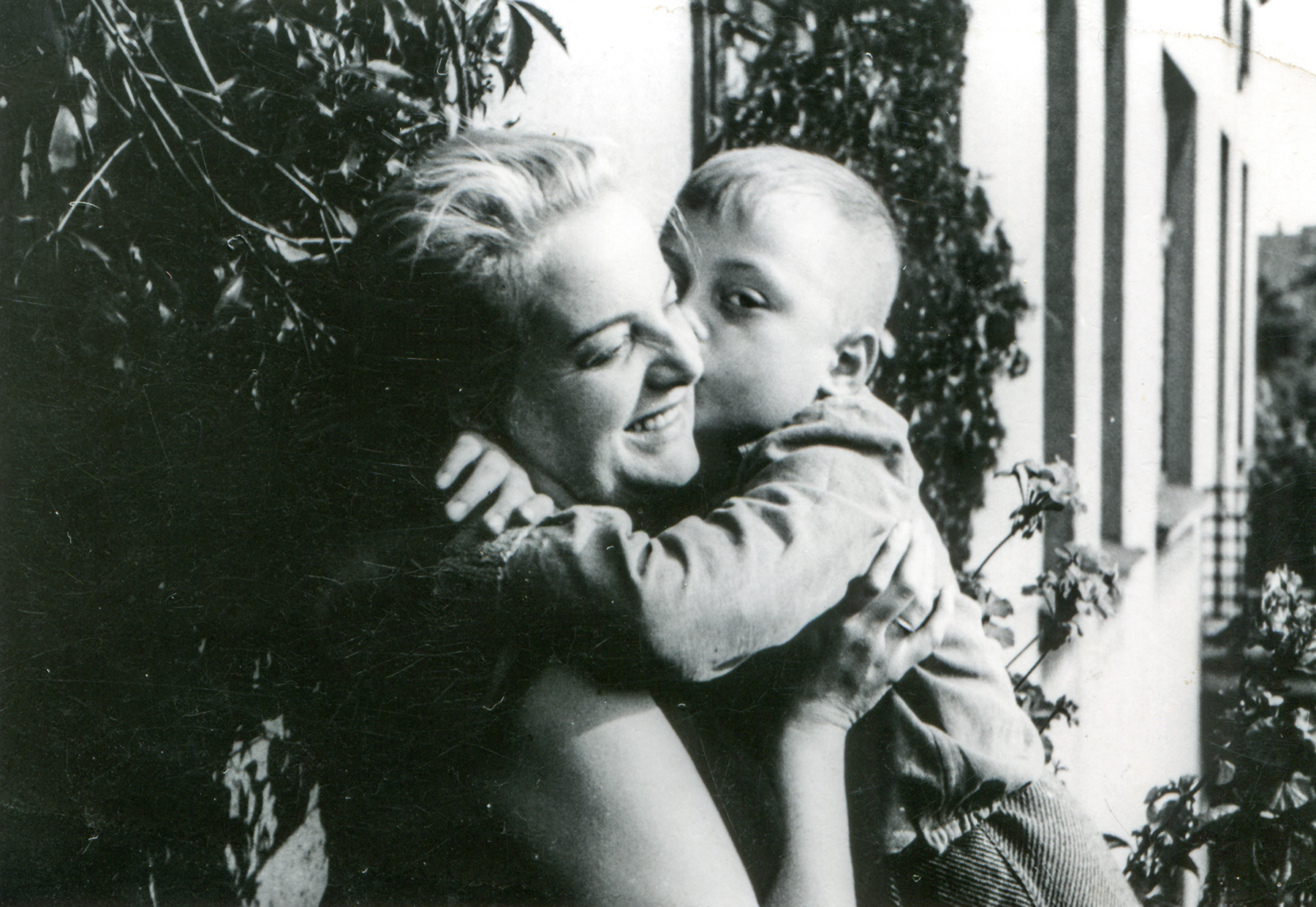
Emotional vs Historical Memory
Emotion is good at making strong memories, but is a really bad historian. Sometimes emotions you experience can obscure the facts of a situation, for good or bad.

A Year-long Look at Healing
Happiness isn’t a spontaneous state of being, it’s a practice. And though it may have come easily in the past, if you’re now experiencing grief, you may find that for the first time you really have to work at getting to joy and happiness.

Mindfulness & Grief: Meditation and Journaling
Mindfulness expert, Heather Stang, is going to teach you two valuable practices, Mindfulness Meditation: Breath Awareness and Mindful Journaling.
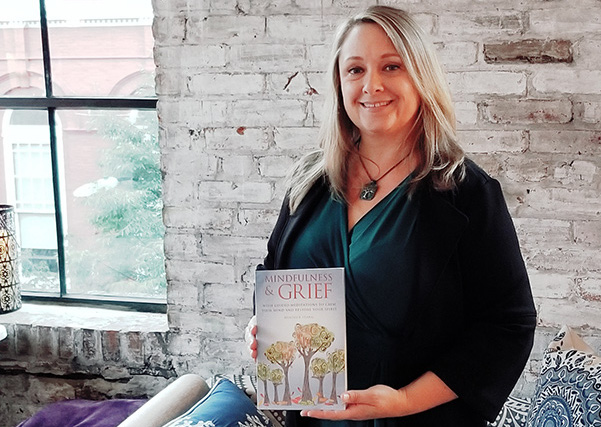
Mindfulness and Grief with Heather Stang
If you’re interested in incorporating mindfulness practice into your daily life, this is a perfect beginners guide for grief and mindfulness.

Grief and Not Wanting to Be Alive
Here are a few signs that may indicate your thoughts, or the thoughts of someone you’re concerned about, are turning from normal grief toward dangerous suicidal ideation.

Normal Grief vs Depression
“Normal” is pretty much impossible to define in the context of grief, but professionals in bereavement education, coaching, and counseling have been trying for some time to figure out the difference between “normal” and “abnormal” grief.

RAIN: Easy Mindfulness for Grief
The RAIN method of mindfulness, is useful in grief for examining, and better understanding, what you’re feeling rather than just having those feelings take over.

Thoughts Dictate Emotions
If you’re bothered by specific behaviors that stem from emotional overwhelm it’s possible to better understand what and why you’re feeling the way you are by tracking your thoughts.

Death Guilt: I Feel Like It’s My Fault
There are commonly two root thoughts for the guilt felt after someone dies:
Why didn’t I …?
I never…

Why Am I So Crabby?
When we are bereaved our fuse gets shorter and grace is a little harder to muster, so often we take offense to what other people say and are quick to snap back. I’m not here to invalidate your emotions or actions, but rather encourage you to take a breath and consider your reaction before responding.

God and Grief
Religion and spirituality are not the main focus of Grief Compass, but we would be remiss if we didn’t acknowledge that they are a major influence on the way many people experience grief, and the way that grief can be complicated.