
If you’re someone who won’t be in a celebratory mood here are some things you can do that might help manage the Valentine’s blues.

Looking Back at Loss: The “Good” Side of Grief
Maybe we never get the answer for why they had to die, but we can create meaning out of our loss.

Continuing Bonds: Your Evolving Relationship with Someone Who Died
The grief theory of Continuing Bonds acknowledges that your relationship with the deceased has changed dramatically but will evolve into something new.

Setbacks in Grief
Making returns to intense feelings of grief when you thought you were feeling fine can leave you weary and wondering when it’s going to stop.

Grief Support: Paying it Forward
An important thing to remember when you’re supporting someone else experiencing grief is to not compare losses. Speak to the pain you see without judgment of the loss itself.

Missing the Old Me
You don’t just lose them, a part of you goes with them. And the deeper you loved someone, the larger the missing piece inside of you will be.
Secondary Losses
Secondary losses can be numerous and can make it feel like grief is piling up on you. This is the place where people, if they’re going to get stuck, usually get stuck

“Get Over It”
No one “gets over” grief, we just eventually figure out how make it part of who we are.
Memorial Art Projects
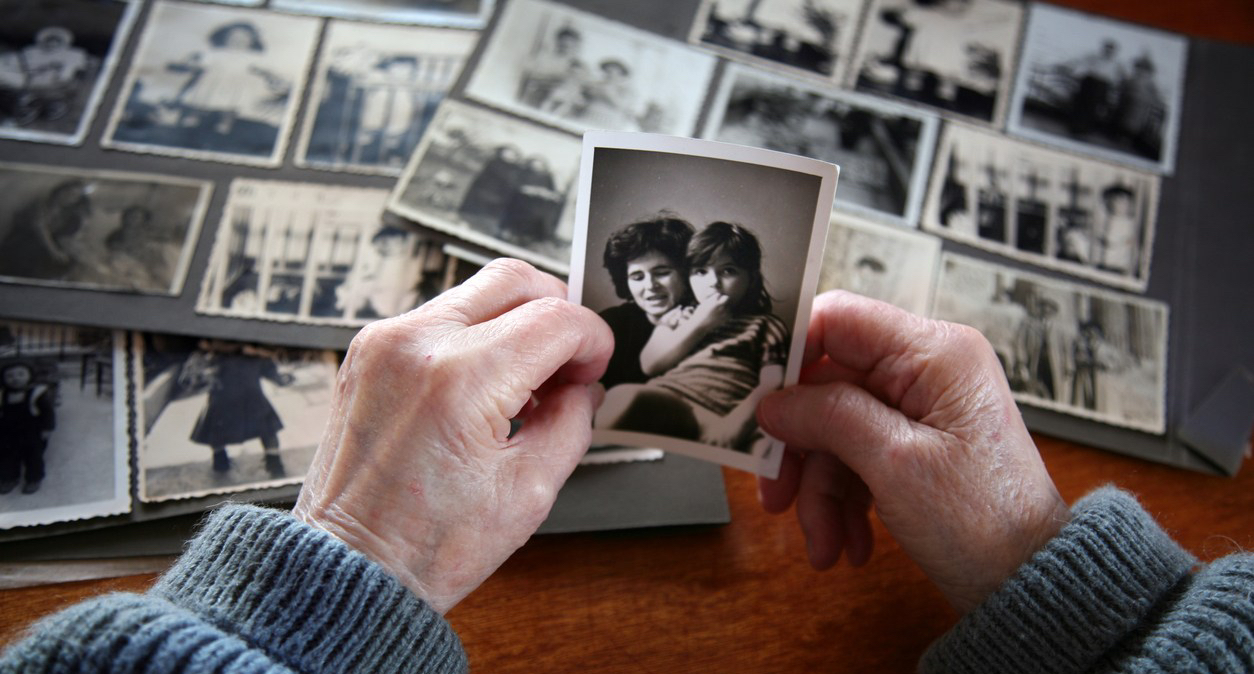
If you can’t find the words to write in a journal, try art. 17 memorial art projects you could try today.
Emotional vs Historical Memory
Emotion is good at making strong memories, but is a really bad historian. Sometimes emotions you experience can obscure the facts of a situation, for good or bad.
Mindfulness and Grief with Heather Stang
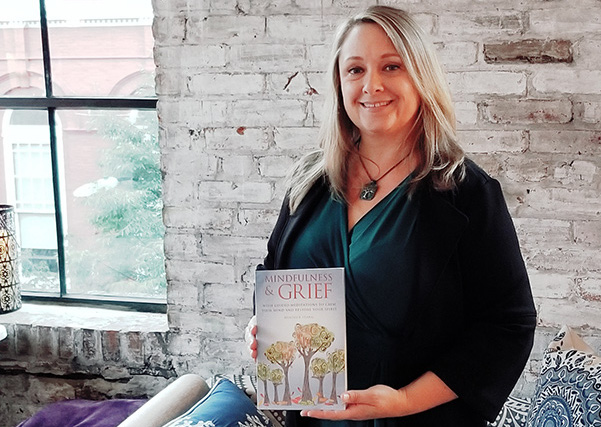
If you’re interested in incorporating mindfulness practice into your daily life, this is a perfect beginners guide for grief and mindfulness.

Normal Grief vs Depression
“Normal” is pretty much impossible to define in the context of grief, but professionals in bereavement education, coaching, and counseling have been trying for some time to figure out the difference between “normal” and “abnormal” grief.

RAIN: Easy Mindfulness for Grief
The RAIN method of mindfulness, is useful in grief for examining, and better understanding, what you’re feeling rather than just having those feelings take over.

Meaning-Making After Loss
Meaning-making can take you from a place where all you see is the bad that comes from loss to a place where you can start to see the “good.”

The Existential Crisis of Grief
In the last article we addressed the question of why. Which is a massive question. Why did they die? Why him? Why her? The other side of that coin is why not him? Why not her? Why not me?

Why Did They Die?
In the context of grief, the question of “why” can be one of the most infuriating thoughts that you come back to again and again. Discover the 3 challenges of “why” and how to face them.

Grief and Exercise
If you need a little push toward starting or restarting a routine of regular exercise, there is ever-mounting evidence showing that exercise doesn’t just promote physical health but mental health as well.

Thoughts Dictate Emotions
If you’re bothered by specific behaviors that stem from emotional overwhelm it’s possible to better understand what and why you’re feeling the way you are by tracking your thoughts.

Death Guilt: I Feel Like It’s My Fault
There are commonly two root thoughts for the guilt felt after someone dies:
Why didn’t I …?
I never…

Letting Toxic People Go
Suddenly the bad behavior you previously tolerated from a friend, significant-other, or family member becomes completely intolerable because you no longer have the energy to explain it away or keep up the illusion that it doesn’t bother you.