
Just like no two relationships are exactly the same, no two people experience loss the same way. And that’s not only normal—it’s expected. Here are some reasons why…
Global Grief of COVID-19
Some ways you can call on your internal resources to care for yourself and your community in this time of shared grief.

Why We Get Stuck In Grief
Many people find themselves stuck in grief because they are never able to let go of what they believed was “supposed to be.” This is the challenge behind acceptance.

Looking Back at Loss: The “Good” Side of Grief
Maybe we never get the answer for why they had to die, but we can create meaning out of our loss.

Continuing Bonds: Your Evolving Relationship with Someone Who Died
The grief theory of Continuing Bonds acknowledges that your relationship with the deceased has changed dramatically but will evolve into something new.

Setbacks in Grief
Making returns to intense feelings of grief when you thought you were feeling fine can leave you weary and wondering when it’s going to stop.
Secondary Losses
Secondary losses can be numerous and can make it feel like grief is piling up on you. This is the place where people, if they’re going to get stuck, usually get stuck
Emotional vs Historical Memory
Emotion is good at making strong memories, but is a really bad historian. Sometimes emotions you experience can obscure the facts of a situation, for good or bad.
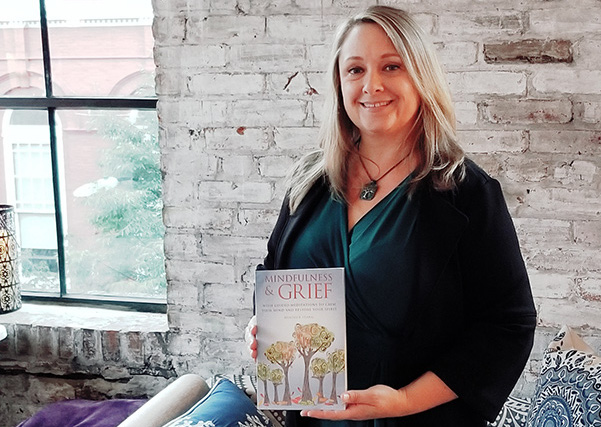
Mindfulness and Grief with Heather Stang
If you’re interested in incorporating mindfulness practice into your daily life, this is a perfect beginners guide for grief and mindfulness.

Grief and Not Wanting to Be Alive
Here are a few signs that may indicate your thoughts, or the thoughts of someone you’re concerned about, are turning from normal grief toward dangerous suicidal ideation.

Normal Grief vs Depression
“Normal” is pretty much impossible to define in the context of grief, but professionals in bereavement education, coaching, and counseling have been trying for some time to figure out the difference between “normal” and “abnormal” grief.

RAIN: Easy Mindfulness for Grief
The RAIN method of mindfulness, is useful in grief for examining, and better understanding, what you’re feeling rather than just having those feelings take over.

Why Did They Die?
In the context of grief, the question of “why” can be one of the most infuriating thoughts that you come back to again and again. Discover the 3 challenges of “why” and how to face them.

Are These Thoughts REALLY True?
This exercise isn’t meant to determine if a thought is good or bad just whether the thought is true and if it is useful.

Thoughts Dictate Emotions
If you’re bothered by specific behaviors that stem from emotional overwhelm it’s possible to better understand what and why you’re feeling the way you are by tracking your thoughts.

Death Guilt: I Feel Like It’s My Fault
There are commonly two root thoughts for the guilt felt after someone dies:
Why didn’t I …?
I never…

How Did They Die: Preparing for Questions After Loss
You have every right to say, “Thank you for your concern, but I’d rather not talk about it right now.” You also have the right to say you’re “fine” when some colleague you hardly know asks how you’re doing.

No One Supports Me: Grief and Compassion Fatigue
Compassion fatigue sets in when someone becomes indifferent to your suffering because of the frequency of your need for support. It’s crappy, but it’s true. It’s also human nature.

Why Am I So Crabby?
When we are bereaved our fuse gets shorter and grace is a little harder to muster, so often we take offense to what other people say and are quick to snap back. I’m not here to invalidate your emotions or actions, but rather encourage you to take a breath and consider your reaction before responding.

When Will I Feel Normal After Someone Dies?
There is no simple answer to this question, because the old version of “normal life” ceases to exist along with the person who was lost. To feel normal again, survivors have to develop and accept a new version of what normal means, which can take months or years.