
If you’re someone who won’t be in a celebratory mood here are some things you can do that might help manage the Valentine’s blues.
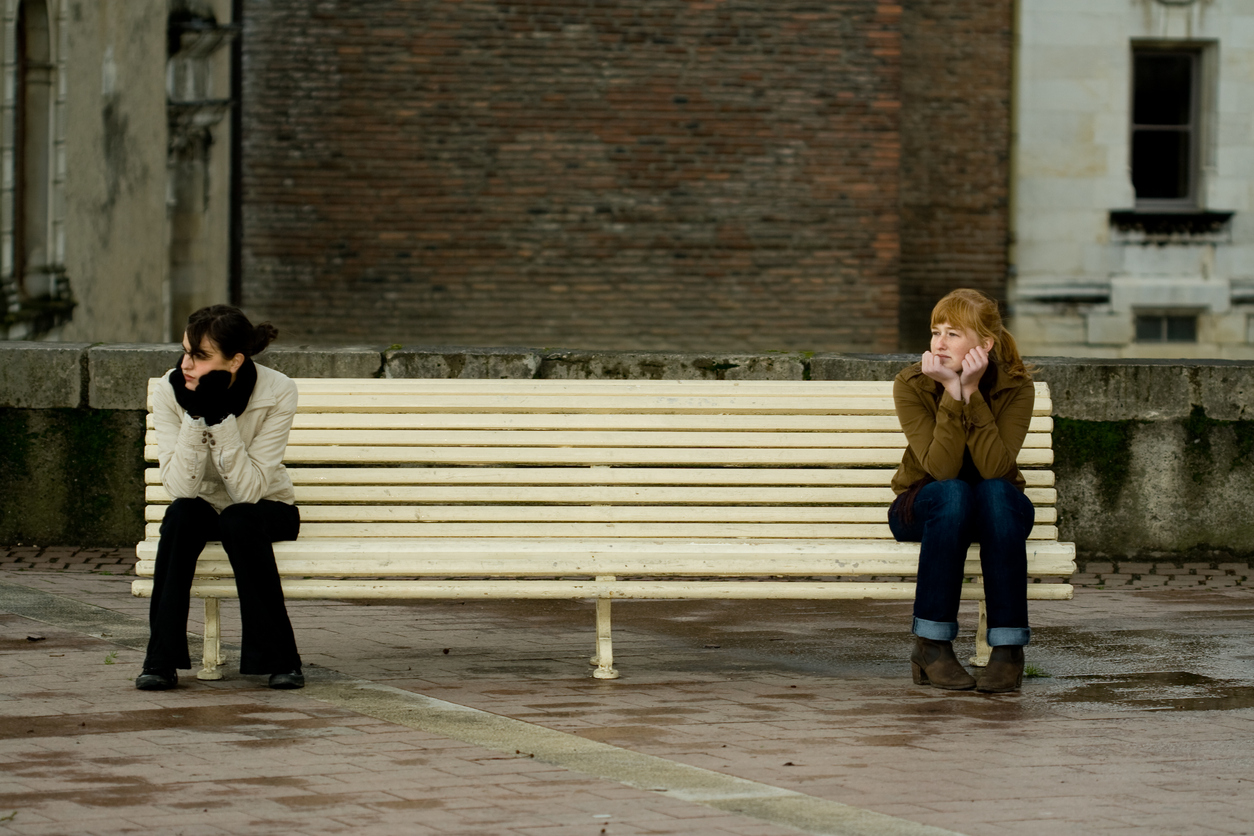
Global Grief of COVID-19
Some ways you can call on your internal resources to care for yourself and your community in this time of shared grief.
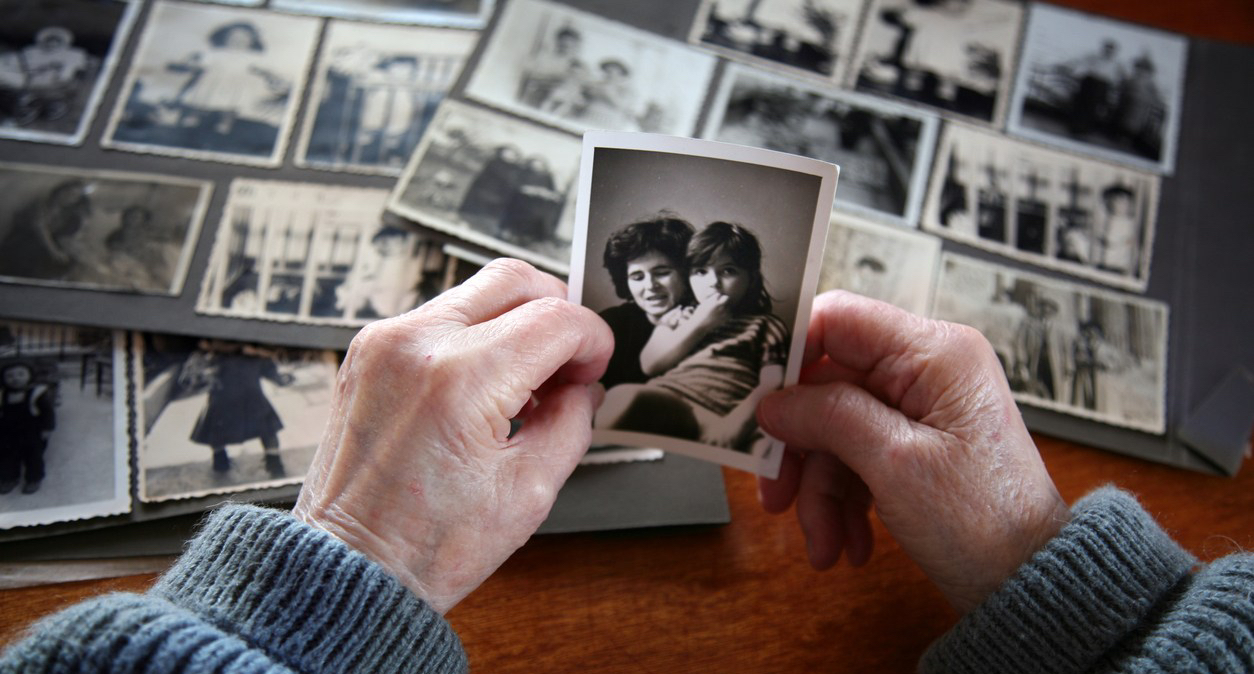
Memorial Art Projects
If you can’t find the words to write in a journal, try art. 17 memorial art projects you could try today.
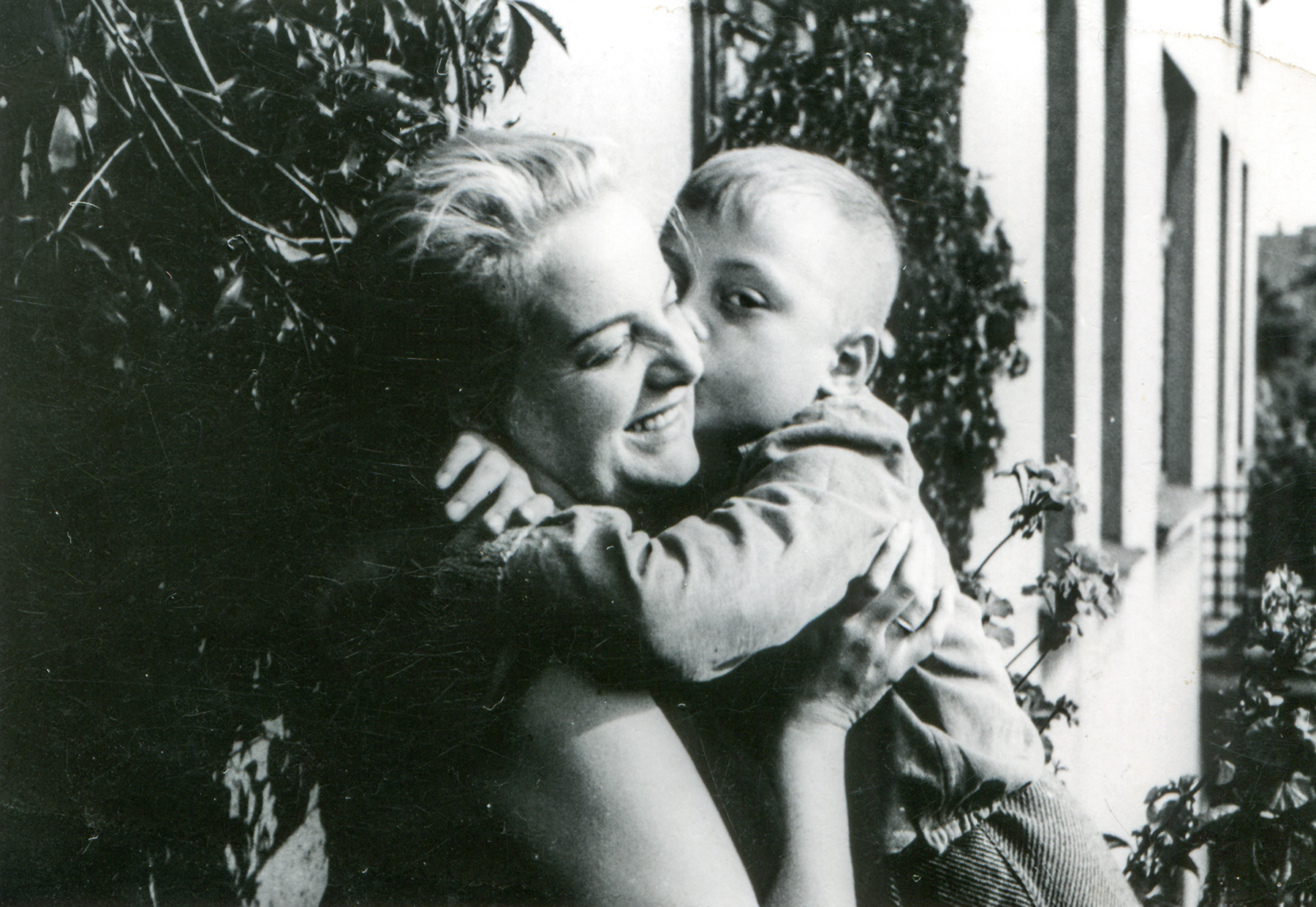
Emotional vs Historical Memory
Emotion is good at making strong memories, but is a really bad historian. Sometimes emotions you experience can obscure the facts of a situation, for good or bad.

A Year-long Look at Healing
Happiness isn’t a spontaneous state of being, it’s a practice. And though it may have come easily in the past, if you’re now experiencing grief, you may find that for the first time you really have to work at getting to joy and happiness.

Mindfulness & Grief: Meditation and Journaling
Mindfulness expert, Heather Stang, is going to teach you two valuable practices, Mindfulness Meditation: Breath Awareness and Mindful Journaling.
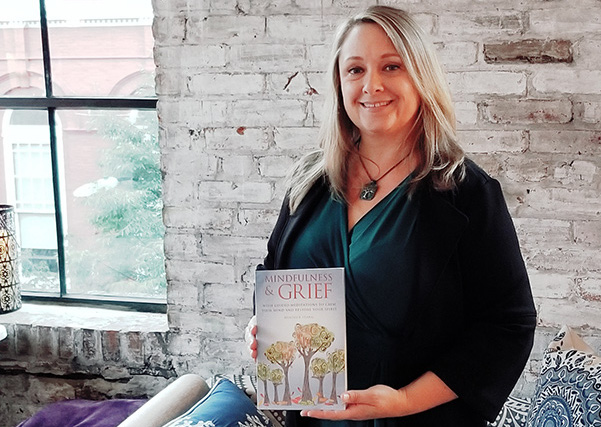
Mindfulness and Grief with Heather Stang
If you’re interested in incorporating mindfulness practice into your daily life, this is a perfect beginners guide for grief and mindfulness.

Grief and Not Wanting to Be Alive
Here are a few signs that may indicate your thoughts, or the thoughts of someone you’re concerned about, are turning from normal grief toward dangerous suicidal ideation.

Normal Grief vs Depression
“Normal” is pretty much impossible to define in the context of grief, but professionals in bereavement education, coaching, and counseling have been trying for some time to figure out the difference between “normal” and “abnormal” grief.

RAIN: Easy Mindfulness for Grief
The RAIN method of mindfulness, is useful in grief for examining, and better understanding, what you’re feeling rather than just having those feelings take over.

Grief and Exercise
If you need a little push toward starting or restarting a routine of regular exercise, there is ever-mounting evidence showing that exercise doesn’t just promote physical health but mental health as well.

Thoughts Dictate Emotions
If you’re bothered by specific behaviors that stem from emotional overwhelm it’s possible to better understand what and why you’re feeling the way you are by tracking your thoughts.

Letting Toxic People Go
Suddenly the bad behavior you previously tolerated from a friend, significant-other, or family member becomes completely intolerable because you no longer have the energy to explain it away or keep up the illusion that it doesn’t bother you.

Why Am I So Crabby?
When we are bereaved our fuse gets shorter and grace is a little harder to muster, so often we take offense to what other people say and are quick to snap back. I’m not here to invalidate your emotions or actions, but rather encourage you to take a breath and consider your reaction before responding.

Staying Healthy After Loss
Some physical symptoms of grief may be sticking around long enough to create a concern. This could be a good time to take stock of your health and wellness.

I Just Want Some Sleep!
Fatigue and exhaustion are common physical side effects of grief, another common issue is difficulty sleeping. Here are a few natural ways to help get to sleep.

Crying In the Produce Aisle: Dealing with Attacks of Grief
Though it’s completely natural and healthy to cry, often times it can be embarrassing and frustrating. So here’s a quick dip into a mindfulness practice to help you regain a little control in those moments when you feel you’ve completely lost it.

“What’s Wrong With Me?” The Physical Effects of Grief
We all expect our emotions to be a mess when someone we love dies. What we often don’t expect are these common physical symptoms.

How to Detox After the Holidays
Just Straight-up Hungover?
BLT with a fried egg and a glass of room temperature water. STAT!