
Maybe we never get the answer for why they had to die, but we can create meaning out of our loss.

Continuing Bonds: Your Evolving Relationship with Someone Who Died
The grief theory of Continuing Bonds acknowledges that your relationship with the deceased has changed dramatically but will evolve into something new.

Setbacks in Grief
Making returns to intense feelings of grief when you thought you were feeling fine can leave you weary and wondering when it’s going to stop.
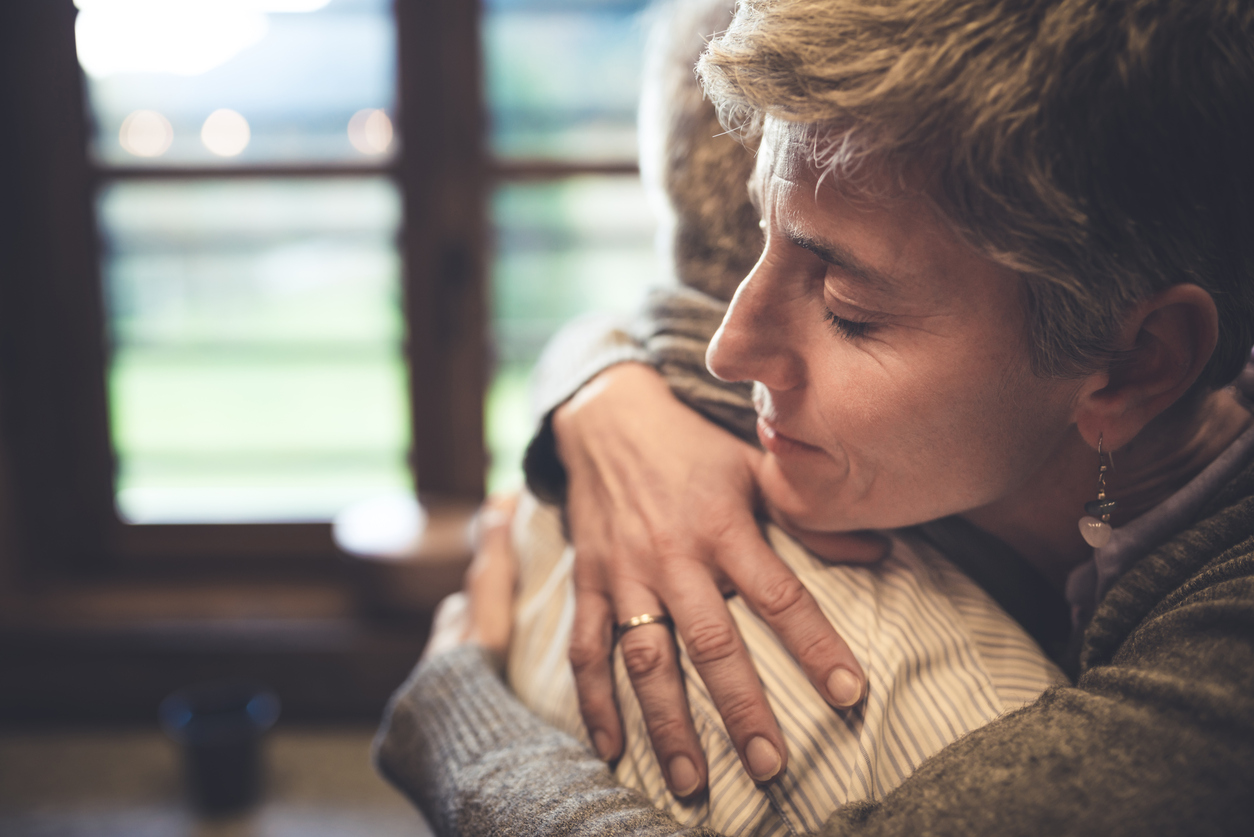
Grief Support: Paying it Forward
An important thing to remember when you’re supporting someone else experiencing grief is to not compare losses. Speak to the pain you see without judgment of the loss itself.

Missing the Old Me
You don’t just lose them, a part of you goes with them. And the deeper you loved someone, the larger the missing piece inside of you will be.
Secondary Losses
Secondary losses can be numerous and can make it feel like grief is piling up on you. This is the place where people, if they’re going to get stuck, usually get stuck

“Get Over It”
No one “gets over” grief, we just eventually figure out how make it part of who we are.

A Year-long Look at Healing
Happiness isn’t a spontaneous state of being, it’s a practice. And though it may have come easily in the past, if you’re now experiencing grief, you may find that for the first time you really have to work at getting to joy and happiness.
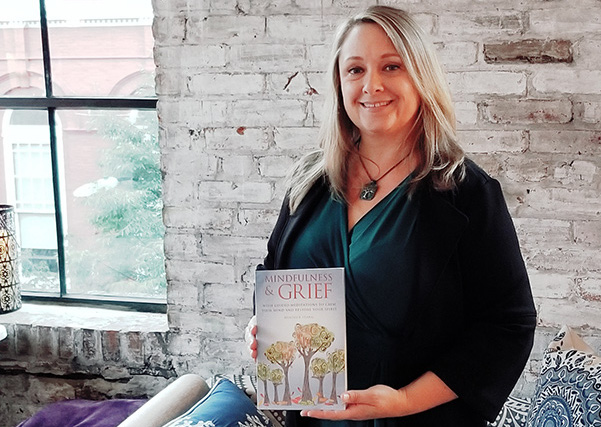
Mindfulness and Grief with Heather Stang
If you’re interested in incorporating mindfulness practice into your daily life, this is a perfect beginners guide for grief and mindfulness.

Grief and Not Wanting to Be Alive
Here are a few signs that may indicate your thoughts, or the thoughts of someone you’re concerned about, are turning from normal grief toward dangerous suicidal ideation.

The Existential Crisis of Grief
In the last article we addressed the question of why. Which is a massive question. Why did they die? Why him? Why her? The other side of that coin is why not him? Why not her? Why not me?

Letting Toxic People Go
Suddenly the bad behavior you previously tolerated from a friend, significant-other, or family member becomes completely intolerable because you no longer have the energy to explain it away or keep up the illusion that it doesn’t bother you.

How Did They Die: Preparing for Questions After Loss
You have every right to say, “Thank you for your concern, but I’d rather not talk about it right now.” You also have the right to say you’re “fine” when some colleague you hardly know asks how you’re doing.

No One Supports Me: Grief and Compassion Fatigue
Compassion fatigue sets in when someone becomes indifferent to your suffering because of the frequency of your need for support. It’s crappy, but it’s true. It’s also human nature.

Why Am I So Crabby?
When we are bereaved our fuse gets shorter and grace is a little harder to muster, so often we take offense to what other people say and are quick to snap back. I’m not here to invalidate your emotions or actions, but rather encourage you to take a breath and consider your reaction before responding.

Grief Theory: Dual Process Model
The key idea around the Dual Process Model is that we don’t go one way through grief—following stages or tasks in a sequence over time—but instead that we oscillate (or bounce back and forth) between being “loss-oriented” and “restoration-oriented.”

The Politics of Their “Stuff”
Dealing with their “stuff” is one of the hardest things to face in the wake of loss. It’s also a harsh confrontation with the unnecessity of these items given the complete absence of the person to whom they belonged.

Survivor: Connecting to Past Losses
If you’re trying to understand your own grief, a good but difficult exercise is to look back on your own life, working back from now, and list out the losses you’ve experienced.

The Grim Reaper in the Room
Why don’t people talk about death? Why is open talk of death, or trying to support someone experiencing a significant loss feel so awkward?

Who Am I Without Them?
Instead of using SWOT for a project we’re applying it to your life after loss to get an idea of where you’re at, and if you’re up for it, where you want to go.